FluidForming Americas: Simulation Optimizes Part FluidForming for U.S. Air Force
By Jurgen Pannock, Ph.D, FluidForming Americas, CTO
-
Originally published on 2025-11-18 on the FormingWorld blog.
FluidForming Americas, LLC, headquartered in Hartsville, Tennessee, provides engineering, consulting, rapid prototyping, and small-run production services. The FluidForming metal forming process enables the manufacturing of highly complex parts for customers in the aerospace, commercial product, energy, and automotive sectors.
Recently, FluidForming Americas collaborated with a defense contractor that supports the U.S. military in addressing issues of obsolescence. In this case, the objective was to recreate a highly complex part for the U.S. Air Force.
Engineering a Replacement Part for the U.S. Air Force
The FluidForming hydroforming process employs the highest forming pressures in the metal forming industry—up to 60,000 psi—to achieve exceptional part accuracy and repeatability, making it an ideal solution for this demanding project. (See this instructive video for an introduction to the process and its benefits.)
To recreate the Air Force part, the engineering team at FluidForming Americas used AutoForm to iterate and optimize the tool design, achieving a virtually stress-free, highly accurate component. The primary challenge was forming a narrow channel within a complex geometry that featured significant draw depth.
FluidForming Product Development and Optimization Process
Working closely with the contractor’s team, FluidForming Americas was able to recreate the part and refine the tool design to achieve a virtually springback-free component.
The company employs a careful product development and optimization process to ensure part accuracy and repeatability. Once CAD files are received and a purchase order is confirmed, the process begins with a one- to three-week value engineering analysis in collaboration with the customer. This phase involves iterative simulations to accommodate any necessary design changes, ensuring a cost-effective and manufacturable solution.
Starting from a 3D CAD drawing supplied by the contractor, the team created a simulation tool surface to assess feasibility and potential forming challenges.
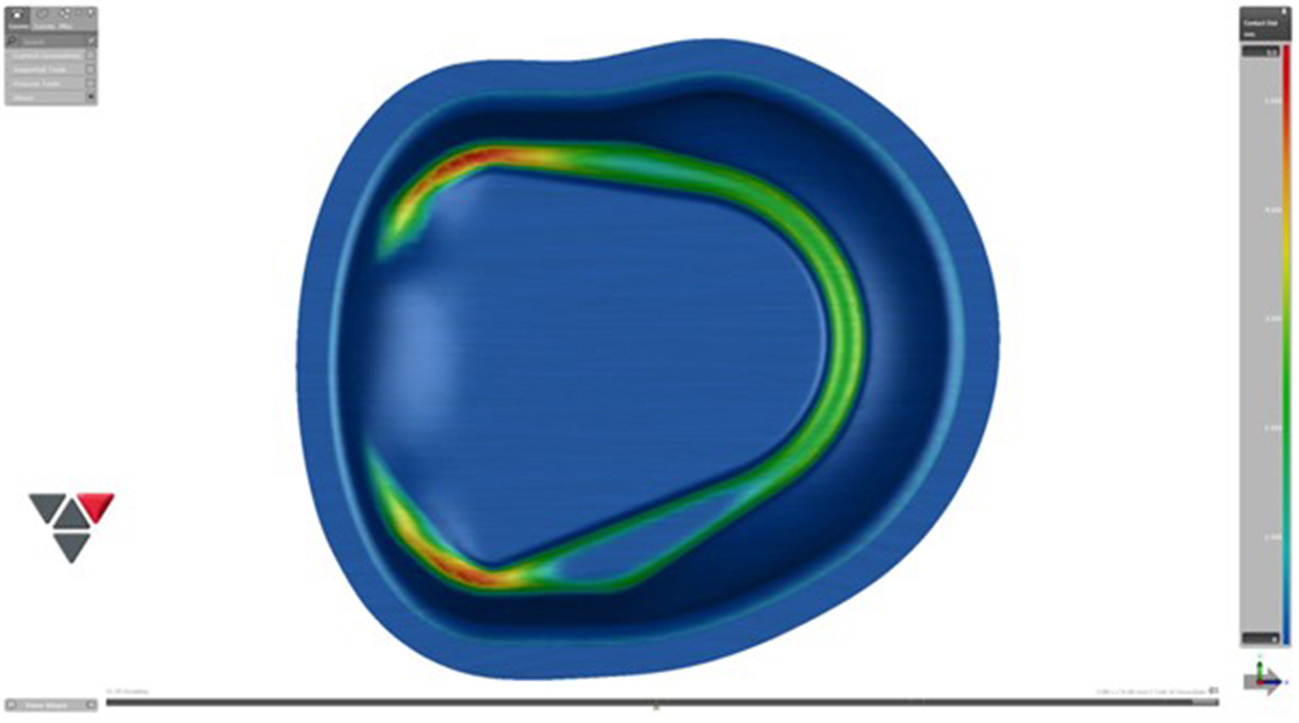
Fig. 1: First simulation (contact distance)
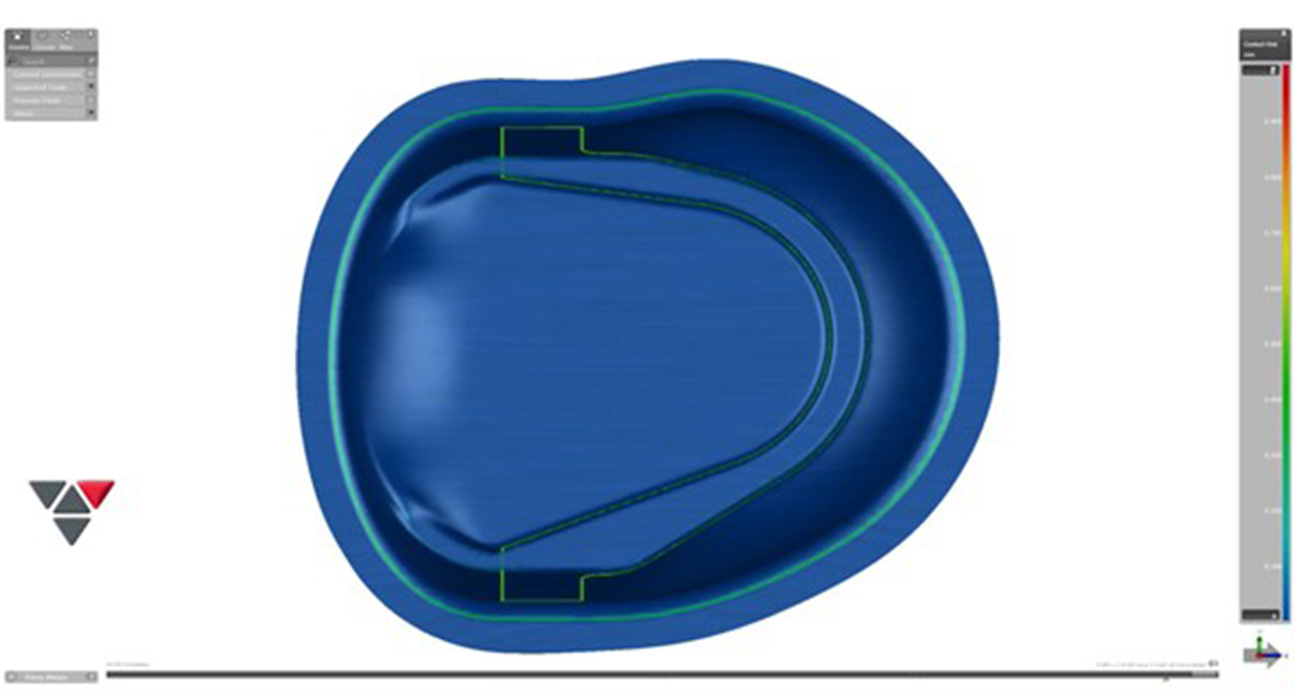
Fig. 2: The final simulation of the re-engineered part produced collaboratively by the defense contractor and FluidForming Americas for the U.S. Air Force (contact distance)
CLICK TO READ THE FULL ARTICLE